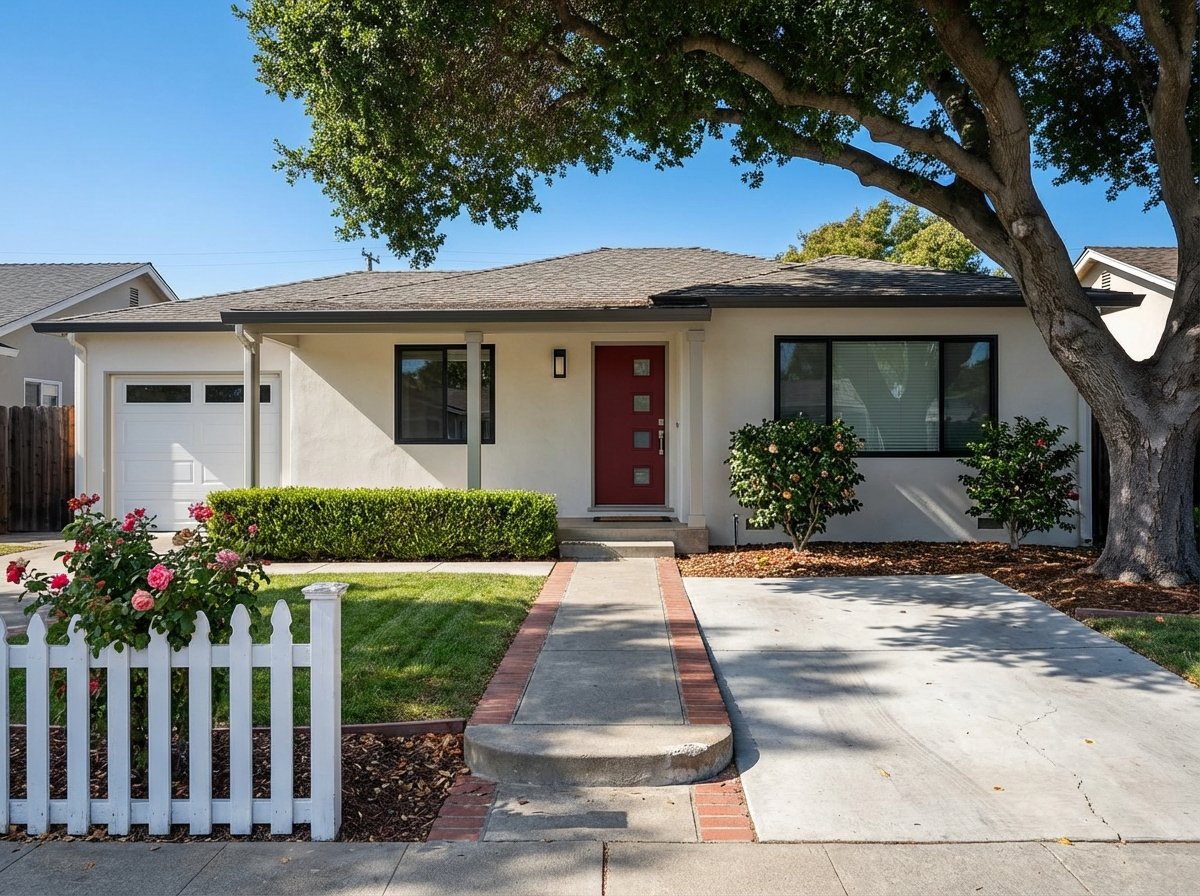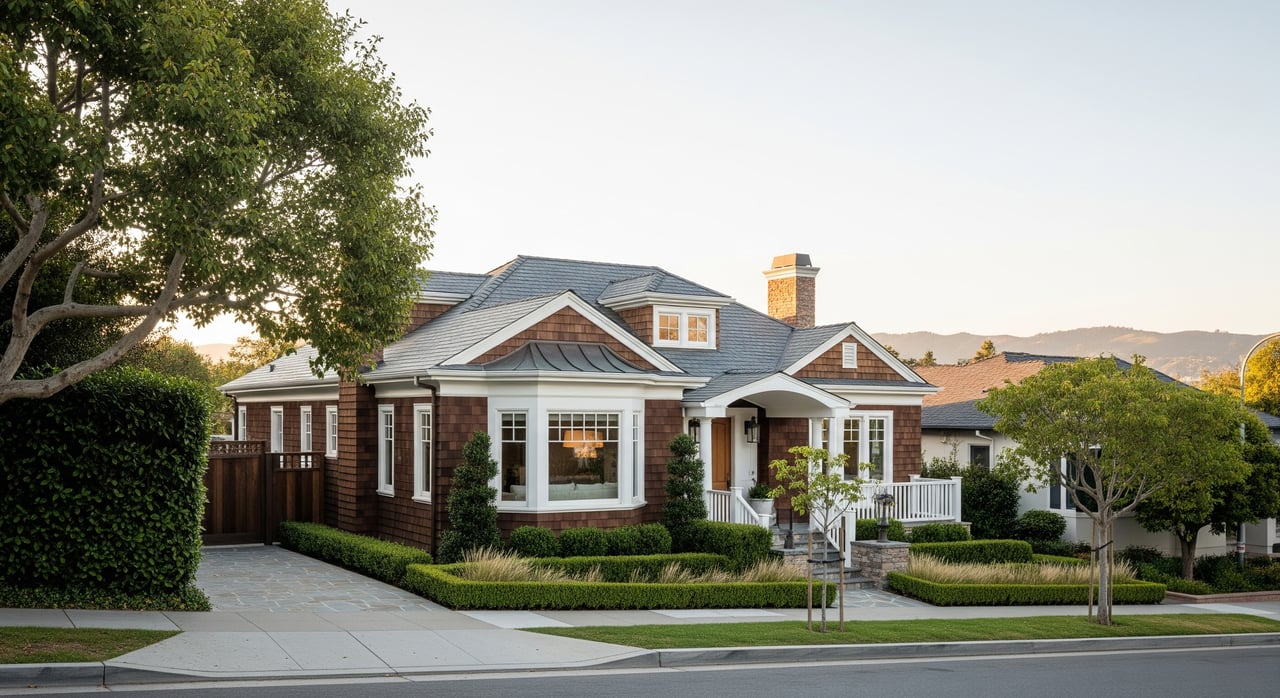
Is your next Silicon Valley home purchase going to be a jumbo loan? In Santa Clara County, price points often push buyers above the conforming limit, which can change your rate, down payment, and approval timeline. You want clarity before you tour homes or write offers. This guide breaks down the 2024 threshold, how jumbo vs. conforming loans work, what lenders look for, and smart ways to structure your financing. Let’s dive in.
Conforming vs. jumbo: the quick basics
A conforming loan meets Fannie Mae and Freddie Mac rules and stays at or below the county loan limit. Because lenders can sell these loans to the agencies, pricing and guidelines are more standardized.
A jumbo loan is any mortgage amount above the county’s conforming cap. Jumbos sit outside Fannie and Freddie rules. Lenders keep them in portfolio or sell to private investors, so underwriting is often stricter and varies by lender.
For 2024, Santa Clara County is a high-cost market. The one-unit conforming loan limit is $1,149,825. If your first mortgage exceeds that amount, you are in jumbo territory. Limits are higher for 2–4 unit properties, so confirm your unit count and the current year before you lock a plan.
How Santa Clara prices affect your loan type
Santa Clara County includes some of the highest-cost cities in the country. Many single-family homes, especially move-up and luxury properties, exceed the one-unit conforming cap. That means jumbo financing is common for buyers in neighborhoods across Palo Alto, Los Altos, Mountain View, Cupertino, Sunnyvale, and parts of San Jose.
Condos and townhomes can sometimes fit under the limit, depending on the building and location. Entry or modest single-family homes may also qualify for conforming financing in certain pockets. Your price bracket and property type will guide which path is realistic.
If you are considering a duplex or a property with an ADU, remember that conforming limits rise with unit count. That can open different options if the building qualifies and the rental setup meets lender rules.
Rates and costs: what to expect today
Historically, jumbo rates sit slightly above conforming rates, often by a few tenths of a percent. The spread moves with the market and your profile. In some conditions, pricing can be close to even. In others, jumbos can be meaningfully higher.
Several factors drive the difference:
- Credit strength: Higher credit scores, lower debt-to-income, and strong assets can narrow any jumbo premium.
- Loan size: Very large loans can carry extra pricing adjustments.
- Product type: Jumbo adjustable-rate mortgages can sometimes start lower than fixed-rate options. Conforming fixed and conforming ARMs may price differently as well.
- Fees and third-party costs: Jumbos may include higher lender fees, larger appraisal costs, or even require multiple appraisals on unique or luxury homes.
Conforming loans require private mortgage insurance (PMI) when you borrow more than 80% of the home’s value. With jumbos, many lenders want at least 20% down so there is no mortgage insurance. Some lenders do allow jumbo loans with mortgage insurance, but availability and pricing vary.
Down payment, mortgage insurance, and reserves
Conforming loans can work with 3% to 20% down depending on the program and occupancy. If you want to avoid mortgage insurance on a conforming loan, plan for 20% down.
For jumbo loans, 20% down is common, and 20% to 30% is typical for best pricing. At very high price points, some lenders want larger down payments or significant liquid reserves.
Reserves matter more with jumbos. Conforming loans may require a few months of payment reserves. Jumbo lenders often want 6 to 12 months of total housing payments in verifiable liquid assets after closing. Investment properties or alternative documentation programs can require even more.
Underwriting differences in Silicon Valley
Jumbo loans usually set a higher bar for approval. Here is how standards typically compare:
- Credit score: Conforming programs can go down to 620, but pricing improves at 740 and above. Jumbo lenders often price best at 700 to 760 and above.
- Debt-to-income (DTI): Conforming caps are commonly around 45%, with limited cases higher. Jumbo programs generally prefer 43% to 45% or less for top pricing.
- Documentation: Salaried buyers provide W-2s, paystubs, and verification. Self-employed buyers should expect two years of returns and possibly a current profit-and-loss statement. Jumbo portfolio lenders can offer asset-based or bank-statement programs, usually with higher rates, larger down payments, and more reserves.
- Stock-based compensation: Many local buyers rely on RSUs and options. Lenders differ on how they count vesting schedules, grants, and exercise strategies. Be ready to document equity awards and conversion to cash.
Smart approval strategies before you tour
In competitive Silicon Valley markets, a strong pre-approval is essential. Go beyond a quick pre-qualification. Ask for a fully documented pre-approval with a credit pull, verified assets and income, and a conditional underwriting sign-off. This is especially important for jumbo financing.
You can also structure your financing to manage cost or stay under the cap:
- Increase your down payment. Reducing your loan amount can bring you below the conforming limit or improve jumbo pricing.
- Use an 80/10/10 piggyback. Pair a first mortgage at or under the conforming cap with a second lien to cover part of the gap. Compare the second-lien rate and fees to make sure the structure saves money.
- Negotiate strategically. In marginal cases, a small price change or seller credit can keep your first lien at or under the cap.
Consider lender type and product fit:
- Portfolio or private bank lenders. Relationship banks sometimes offer flexible jumbo underwriting, asset-based qualifying, and portfolio pricing. Deposits or assets under management can help.
- Product choice. Jumbo ARMs may offer lower initial rates. If you expect to refinance or move within a few years, an ARM can be worth a look. If you plan to hold long term, compare the fixed-rate cost carefully.
- Bridge or HELOC support. A short-term HELOC or bridge loan can cover funds while you sell or liquidate assets. Make sure the added payment fits your DTI.
Timeline and closing considerations
High-value and unique homes often take longer to appraise. Lenders may require appraisers with specific local experience or even more than one appraisal. Build extra time into your contract when you can.
If you are buying a condo or townhome, the HOA’s financial health and insurance coverage can affect lender approval. Some lenders have internal lists of approved projects or additional review steps.
Always review title and local assessments. Items like Mello-Roos or special tax districts can change your monthly payment and affect your DTI in underwriting.
Step-by-step plan to get ready
- Confirm the current Santa Clara County conforming loan limits for your property type and unit count.
- Choose at least two lenders with proven jumbo experience and request fully documented pre-approvals.
- Gather documents: recent paystubs, W-2s, two years of tax returns, bank and brokerage statements, and details on RSUs or stock options.
- Discuss structure options with your lender: bigger down payment, piggyback second, private bank or portfolio programs, jumbo ARMs, or a bridge loan.
- Ask about reserves, appraisal timelines, and any condo or HOA project reviews.
- Compare quotes with full Loan Estimates, including rate, points, lender fees, required reserves, and any overlays.
Example scenarios
You are targeting a single-family home where your loan would be slightly over the 2024 limit. You can either put more cash down to bring the first lien under the cap or price out a piggyback to see which total payment and cost wins.
You are shopping at higher price points that clearly require a jumbo. You strengthen your file with a 25% down payment, 12 months of reserves, and a fully documented pre-approval. You compare a 30-year fixed to a 7-year ARM and choose based on your timeline.
You are self-employed with fluctuating income and meaningful assets. A portfolio lender offers asset-based qualifying at a modest rate premium. You accept a slightly higher rate in exchange for smoother approval and faster closing.
The bottom line for Santa Clara buyers
In Santa Clara County, many move-up and luxury purchases cross into jumbo territory. That does not have to slow you down. With the right structure, a strong pre-approval, and a lender who understands local nuances, you can compete with confidence and choose the product that fits your timeline and risk comfort.
If you want a clear plan tailored to your price point, assets, and neighborhood goals, reach out to Anuja Krishnan. You will get local strategy, a polished process, and the guidance to move forward with confidence.
FAQs
When does a Santa Clara County loan become jumbo?
- When your first mortgage exceeds the county’s one-unit conforming limit for the year. In 2024 that threshold is $1,149,825. Verify current limits before you apply.
Are jumbo mortgage rates always higher than conforming?
- Usually they are slightly higher, but spreads change with the market and your profile. Strong credit, low DTI, and larger reserves can narrow the gap.
Do I need 20% down for a jumbo loan?
- Many lenders expect about 20% down to avoid mortgage insurance. The best-priced jumbo programs often want 20% to 30% down and healthy reserves.
Can I use a second mortgage to stay under the conforming cap?
- Yes. An 80/10/10 or similar piggyback can keep your first lien at or below the limit. Compare the second-lien rate, fees, and taxes to confirm real savings.
What is the fastest way to strengthen a jumbo approval?
- Build liquid reserves, keep your credit score high, lower your DTI, and prepare clear documentation. A relationship with a portfolio or private bank can also help.
Do multi-unit properties have higher conforming limits?
- Yes. Limits increase for 2–4 unit properties. If you are buying a duplex, triplex, or fourplex, confirm the current Santa Clara County limits for your unit count.