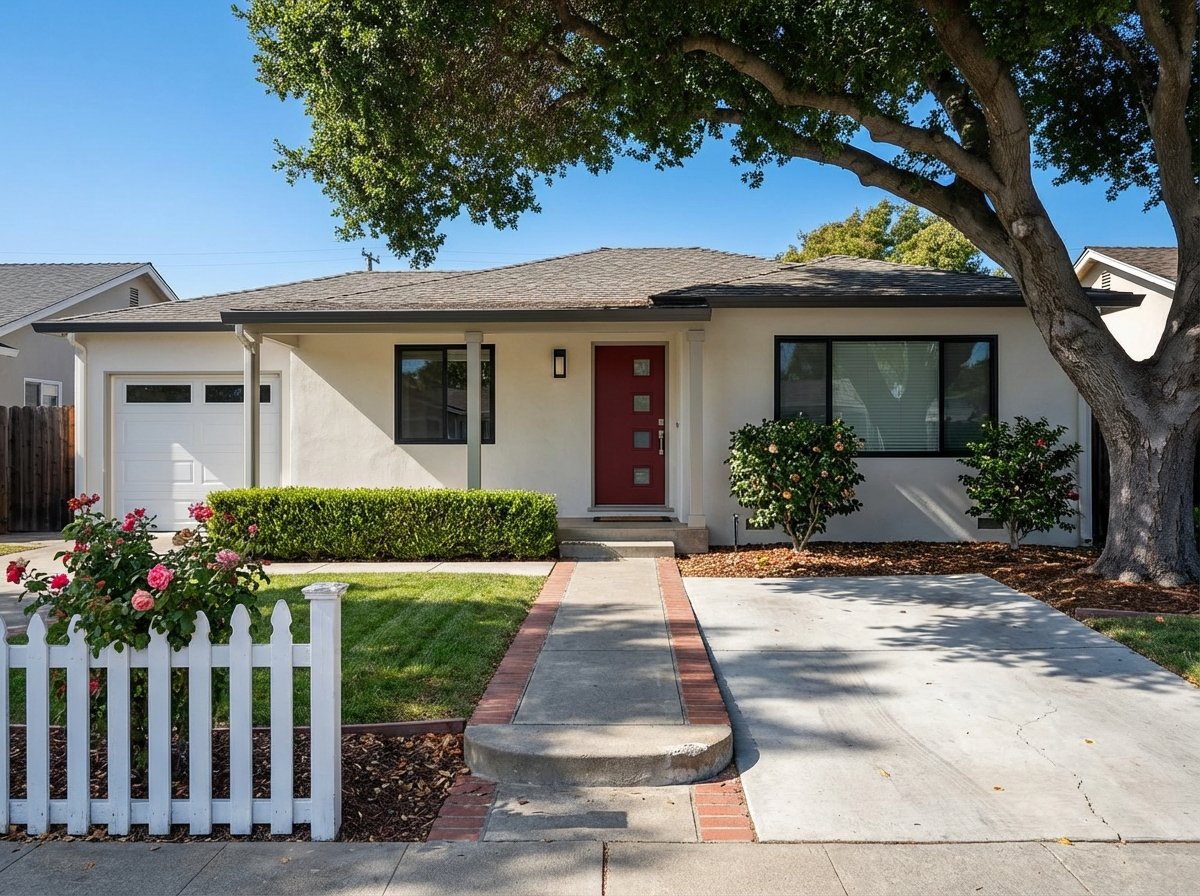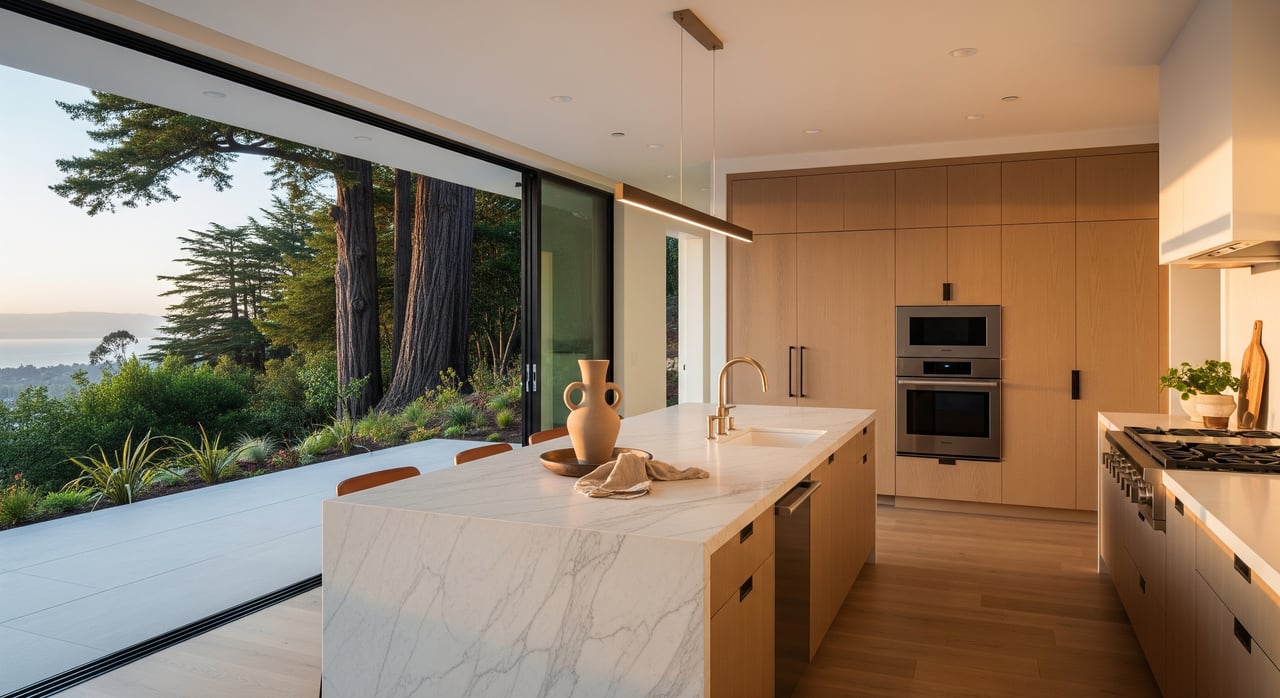
Thinking about remodeling before you sell in San Mateo County? With high prices and discerning buyers across the Peninsula, even small updates can shift first impressions and your final sale price. At the same time, costs and timelines here can climb fast. In this guide, you’ll learn how to decide what to update, what to skip, and how to run a simple ROI check using local comps. Let’s dive in.
San Mateo County market snapshot
San Mateo County is a collection of micro-markets. Buyer expectations in Hillsborough differ from Redwood City or Daly City, and single-family homes perform differently than condos or townhomes. High home prices here create room for strong dollar gains, but they also mean higher renovation costs and longer lead times.
Buyer demand can shift with mortgage rates. When rates are higher and buyers get price-sensitive, move-in-ready homes tend to win. When competition rises and inventory is tight, you may be able to sell as-is and still achieve your goals.
When a remodel makes sense
Fix functional deal-breakers
If your home has issues that buyers commonly penalize, consider addressing them. Examples include foundation or seismic concerns, unpermitted work, a one-bath layout in a two-bath neighborhood, or major system problems. Resolving these can protect your price and simplify the sale.
Bridge the “dated” gap
In many Peninsula neighborhoods, modest updates can move a property from dated to modern in buyers’ eyes. Focus on value-focused refreshes that improve photos, showings, and first impressions. This can lift your offer count and reduce time on market.
Choose as-is when it fits
If comps show that buyers accept dated homes at similar prices, a quick list may beat a long project. Selling as-is can also make sense if your timeline is tight or if larger upgrades show weak ROI in your sub-market.
Projects that pay here
Low-cost, high-impact wins
- Fresh interior paint and targeted exterior touch-ups for curb appeal.
- Decluttering, deep cleaning, and odor removal.
- Landscaping tune-ups: lawn care, pruning, mulch, simple plantings.
- Minor repairs: leaky faucets, sticky doors, cracked tiles, burned-out bulbs.
- Professional staging or virtual staging for vacant homes.
- Lighting and hardware updates for a polished look.
These items are fast, affordable, and often deliver strong returns through better photos and stronger first impressions.
Mid-cost, conditional upgrades
- Kitchen refresh: reface cabinets, replace countertops, swap hardware, update appliances.
- Bathroom refresh: new vanity top, fixtures, lighting, mirror, and regrouting.
- New or refinished flooring.
- Interior door and lighting replacements for a cohesive style.
These can meaningfully improve perceived value, but ROI depends on the neighborhood’s price tier and buyer profile. Verify with nearby comps before you commit.
High-cost, proceed with care
- Full kitchen or bath gut remodels.
- Floor plan changes or room additions.
- Adding an ADU.
- Major system replacements or structural work.
Large projects require permits, take months, and carry more risk. They may be warranted if they solve functional obsolescence or permit issues that hold back value in your sub-market.
Local factors to weigh
Permits and inspections
Many electrical, plumbing, structural, kitchen, and bath projects require permits from your city or the county. Plan for weeks to months on larger scopes. Unpermitted work should be disclosed and can complicate a sale, so align your project with local requirements.
Contractor availability and materials
Reliable Bay Area contractors are in demand, and specialized trades can book out weeks to months. Appliances, cabinets, and windows may have long lead times. Get a realistic schedule in writing and build extra time into your plan.
Seismic and energy expectations
Older homes may need seismic anchoring or foundation attention, which can be important to buyers. Many buyers also value energy efficiency and EV readiness. LED lighting, smart thermostats, insulation, and EV-ready wiring are often persuasive at moderate cost.
Neighborhood style sensitivity
In areas with strong architectural character, cosmetic changes should respect the home’s era. Thoughtful design choices protect perceived value and help your listing stand out.
Estimate ROI step by step
1) Gather local comps
Pull 6 to 12 recent sales in your neighborhood with similar size, beds, and baths. Separate updated homes from as-is sales using photos and listing notes. Aim for the past 3 to 6 months, or longer if the market is slow.
2) Identify the price premium
Compare updated comps to similar as-is sales to estimate the local premium for the upgrade you’re considering. If recent updated comps are scarce, lean on a local agent’s qualitative estimate in dollars per square foot.
3) Run a break-even check
Estimate the expected as-is sale price and the post-update price, then subtract renovation and carrying costs. A simple approach: Net gain equals the price uplift minus renovation and carry costs. Add a 10 to 20 percent contingency to your budget for surprises.
For example, if as-is you expect $1,000,000, and updated comps support $1,080,000, the uplift is $80,000. If renovation plus carry costs total $40,000, your net gain is roughly $40,000. Positive numbers suggest an upgrade can be worthwhile, but confirm with your comps and bids.
4) Factor timing and risk
Consider delays, cost overruns, and market shifts. Weigh your projected ROI against a faster as-is sale. If a project will push your listing into a stronger selling season, the timing may be a net positive.
Seller checklist
- Get a comparative market analysis that separates updated vs dated comps.
- Secure at least three contractor bids with line-item costs, timelines, and permit needs.
- Verify contractor license and insurance, and ask for references.
- Estimate carrying costs for the renovation period.
- Define your minimum acceptable net proceeds and compare options.
- If you proceed, pull required permits and keep a complete paper trail for disclosures.
Alternatives to big remodels
- Pre-listing inspection and targeted repairs only.
- Professional staging and high-quality photography.
- Seller credits at closing so buyers can do their preferred updates.
- Selling to cash or as-is buyers if speed and certainty are your top goals.
Timing your sale
Spring often brings strong buyer activity, but micro-market conditions can create opportunities in other seasons. If the market is hot now, listing as-is may beat a long renovation. If rates ease and competition picks up, selective updates could lift your price.
How we help sellers decide
You deserve a clear, confident plan tailored to your block and your buyer pool. With local comp analysis, design-forward presentation, and hands-on project coordination, you can focus on results, not logistics. From permits and contractor schedules to staging and photography, the right guidance turns smart improvements into measurable outcomes.
If you want a clear cost-to-value roadmap for your home, connect with Anuja Krishnan. Request a Free Home Valuation & Consultation and get a data-backed plan for selling updated, lightly refreshed, or as-is.
FAQs
Should you remodel before selling in San Mateo County?
- It depends on your micro-market, buyer expectations, project cost, and timing; verify with local comps, realistic bids, and a clear ROI check before you commit.
What updates add the most value before selling?
- Paint, deep cleaning, landscaping, minor repairs, staging, lighting, and hardware typically deliver strong impact at lower cost; mid-level kitchen or bath refreshes can help depending on comps.
How long do permits take locally?
- Permit timelines vary by city and scope; expect weeks for smaller permitted work and months for larger remodels, with inspections and plan reviews adding time.
Is staging worth it on the Peninsula?
- Yes, in most cases; staging improves photos and buyer perception, which can increase traffic and offers, especially in competitive price tiers.
How do you estimate ROI on a pre-sale remodel?
- Compare updated vs as-is comps to estimate uplift, subtract renovation and carrying costs with a 10 to 20 percent contingency, and weigh timing and risk before deciding.
Should you add an ADU before selling?
- Usually not for a quick sale; ADUs require permits, time, and capital, and the resale premium can be uncertain unless it solves a clear demand in your sub-market.