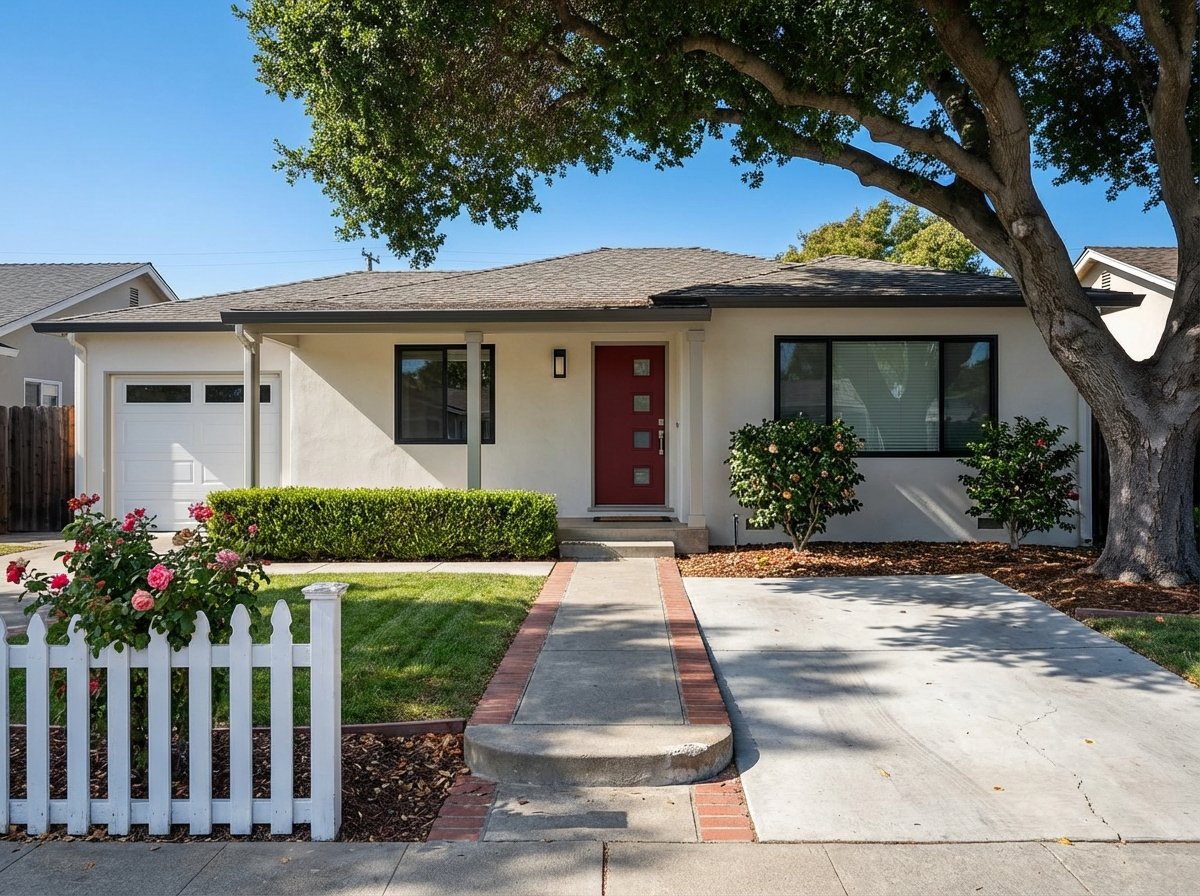
Is Burlingame really one market, or many small ones stitched together block by block? If you have tried to make sense of price swings from the hills to downtown, you know citywide averages can feel confusing. You want simple, practical ways to read the numbers so you can plan your move with confidence. This starter guide breaks down the four key metrics and a step-by-step method you can use in any Burlingame micro-market. Let’s dive in.
Why micro-markets matter in Burlingame
Burlingame looks compact on a map, yet pricing shifts quickly across short distances. That is because several factors create distinct sub-markets with different buyer pools and price structures.
- Topography: hillside settings versus the flats create different value patterns for views and privacy.
- Proximity: distance to Caltrain and Burlingame Avenue influences walkability premiums.
- Lot and home size: larger lots and floor plans change the buyer pool and price spread.
- School boundaries: attendance areas shape search patterns and timing for many households.
Citywide averages mask these differences. When you compare like with like at the micro level, the story gets much clearer.
Four core metrics to watch
Price per square foot (PPSF)
PPSF is sale price divided by finished above-grade living area. It lets you compare homes of different sizes, but it is not a perfect measure on its own. Condition, remodel quality, bedroom and bath count, lot size, and amenities can all push PPSF up or down.
Use medians, not means, and look at 6 to 12 month windows to smooth small-sample swings. In Burlingame, hillside properties often carry a premium for view and privacy, while homes close to downtown and Caltrain can trade at higher PPSF for walkability. Be consistent about which square footage source you rely on and exclude garages or unfinished basements from living area.
Days on market (DOM)
DOM tracks how long a listing takes to go under contract based on MLS reporting. Low median DOM signals strong demand, while rising DOM can indicate cooling conditions. Confirm whether you are looking at continuous DOM or cumulative DOM, because relists can reset the clock and hide true time on market.
In Burlingame, high-visibility product types near transit or services often show lower DOM, while unique or luxury properties may take longer by nature. Pair DOM with inventory levels to read pace correctly.
List-to-sale ratio
The list-to-sale ratio is the final sale price divided by the final list price, expressed as a percentage. Above 100 percent usually means multiple offers or a hot pocket. Around 95 to 100 percent suggests sellers are landing near asking. Below 95 percent points to buyer leverage or overpricing.
Check whether the ratio uses the last list price after reductions. A single bidding war or a single deep discount can distort small samples, so focus on medians and ranges within the same micro-market and timeframe.
Seasonality in Burlingame
Across the Bay Area, spring often brings more listings and faster sales. Activity usually slows in late summer and fall, then reaches a low in December and January. Mortgage rates, employment shifts, and tax policy can amplify or mute these patterns.
Locally, school calendars influence timing. Many sellers list in late winter or early spring to align with school moves. Use 12 to 24 month rolling metrics to smooth seasonal swings when you make decisions.
A simple 5-step micro-market method
1) Define your micro-market
Start with property type and distance to a key amenity, then refine.
- Property type: single-family, condo, or newer infill.
- Distance bands: 0.25 to 0.5 miles from Caltrain or Burlingame Avenue.
- Topography: hills versus flats.
- Price tier: lower, middle, or upper quartile for the city.
2) Collect the right comps
Pull sales from the last 6 to 12 months in faster segments. For slower or luxury segments, extend to 12 to 36 months. Aim for 3 to 8 recent sold comps and 3 to 5 active or pending listings in the same micro-market. Match bedroom and bath count, lot use, and location band.
3) Normalize and adjust
Use finished living area for PPSF. Apply consistent rules for garages and accessory units. Then make clear, reasoned adjustments for key differences.
- Bedrooms and bathrooms: add or subtract a dollar amount per bed or bath.
- Condition and remodel scope: estimate percentage adjustments for major upgrades, or use cost-to-cure when appropriate.
- Lot and site: adjust for premium lots, views, or slope as a percentage.
- Age and systems: factor in roof, HVAC, and electrical updates if relevant.
When possible, use paired-sales analysis. Compare two nearby sales that differ by one feature to estimate that feature’s dollar effect.
4) Compute adjusted PPSF and ranges
After adjustments, calculate adjusted sale prices and adjusted PPSF for each comp. Report the median and interquartile range. Flag outliers. Use the median adjusted PPSF to build a value range for your subject property rather than a single number.
5) Layer in DOM and list-to-sale
Check the same timeframe for median DOM and median list-to-sale ratio in your defined micro-market. Combine those with active inventory or months of supply. Low DOM and a list-to-sale ratio above 100 percent signal a hot pocket where sellers can price confidently and buyers should move fast. Higher DOM and sub-100 percent ratios call for careful pricing and negotiation.
Example: quick comp calculation
Consider a 2,000 square foot single-family home in a flat neighborhood near downtown.
- Comp A is 2,100 square feet and sold for 2,310,000, which is 1,100 per square foot before adjustments.
- If Comp A has a view worth about 6 percent, subtract 138,600 to normalize for your non-view subject.
- The adjusted sale price becomes 2,171,400, or about 1,034 per square foot.
- Repeat this process with 3 to 5 comps, then use the median adjusted PPSF to price or bid within a range.
Timing tips for buyers and sellers
Sellers often see strong engagement in spring, especially when listings align with school calendars. If your micro-market shows a spring spike, consider listing between February and April to capture early activity. Strategic pre-sale updates, from surface refreshes to a full remodel, can improve your list-to-sale ratio and reduce DOM when they are scoped to local buyer expectations.
Buyers may find more selection in late spring and early summer as inventory rises, with potential negotiating room in late summer or fall. Winter can bring fewer choices and motivated sellers, but also limited supply. Track your specific micro-market month by month for the last 2 to 3 years to see how these patterns actually play out.
Common pitfalls to avoid
- Using list price instead of sale price when you evaluate comps.
- Relying on average values rather than medians in skewed samples.
- Comparing condos to single-family homes on raw PPSF.
- Ignoring relists and cumulative DOM, which can understate true time on market.
- Over-interpreting tiny datasets. If you have fewer than five comps, treat your takeaway as directional.
- Mixing square footage sources or including non-living areas. Be consistent.
What to do next
The most accurate micro-market read uses MLS data for DOM, list-to-sale ratios, and price reductions, combined with parcel-level records from the county for lot size and historic sales. Ask for 12 to 24 month rolling metrics and side-by-side comps that show the adjustment logic. When you are selling, match your scope of work to the comps buyers will use. When you are buying, use adjusted PPSF plus DOM and list-to-sale to judge speed and offer strength.
If you want a clear, data-backed plan and help coordinating improvements that pay, reach out to Anuja Krishnan for a micro-market consult and a personalized prep strategy.
FAQs
How to tell if PPSF is high for my area
- Compare your home’s adjusted PPSF to the median adjusted PPSF from 3 to 8 recent comps in the same micro-market, using consistent square footage and feature adjustments.
What DOM says about interest versus pricing
- Look at median DOM plus price reduction history and inventory; long DOM with reductions often points to pricing or condition, while long DOM with steady pricing can reflect a slower segment.
Whether Burlingame is one market or many
- Burlingame functions as many micro-markets defined by topography, proximity to Caltrain and downtown, lot patterns, and school boundaries, so evaluate data at that level.
Best time to list a home in Burlingame
- Spring typically shows more activity, yet mortgage rates and employment trends can shift timing; review 12 to 24 month rolling metrics and recent monthly patterns for your micro-market.
How buyers should compare condos and houses locally
- Do not compare condo PPSF to single-family PPSF; use property-type specific comps within the same location band and timeframe, then apply adjustments for features and condition.