Thinking about a move to Silicon Valley and not sure where to start? Choosing a neighborhood, commute, and home type in Santa Clara County can feel overwhelming, especially if you are balancing a new role and a tight timeline. This guide gives you clear, current context on prices, housing styles, commute options, and lifestyle so you can build a smart shortlist fast. Let’s dive in.
Market snapshot: prices and rents
As of December 2025, Zillow’s Home Value Index for Santa Clara County is about $1.58 million. In January 2026, Redfin’s county median sale price sits in the mid 1.4 million range. These trackers measure different things: Zillow models a representative typical value while Redfin reports the most recent median sale price.
Rents countywide in late 2025 average in the low $3,000s per month. City-level rents vary by bedroom count and location, so use neighborhood data to set expectations. You can check typical ranges by city using resources like RentCafe’s Santa Clara County overview.
For commute expectations, the U.S. Census reports a mean travel time to work of about 27 minutes for 2019–2023. Treat this as a baseline when comparing neighborhoods and your work schedule. See the latest county snapshot in U.S. Census QuickFacts.
Housing types: what to expect
Older homes with character
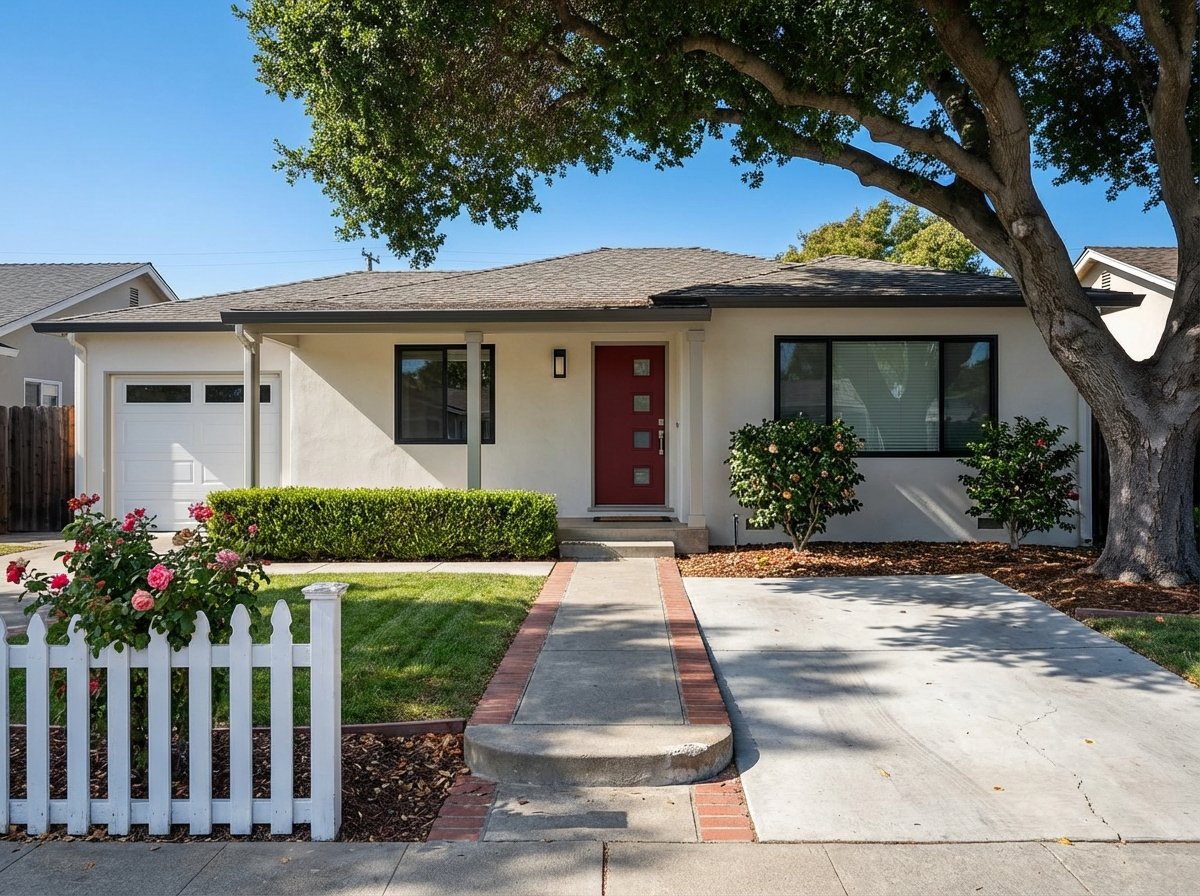
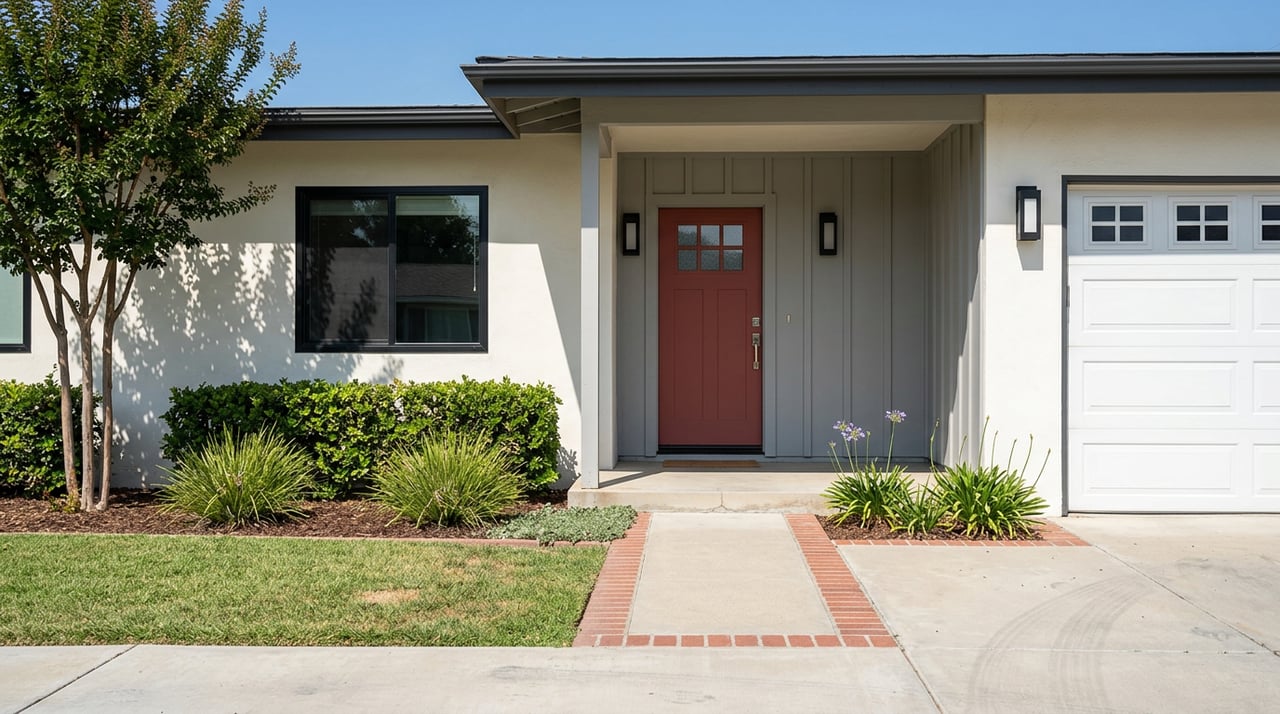
Many core neighborhoods in San José and the Valley’s older suburbs feature pre‑1960s bungalows, Spanish Revival cottages, Tudors, and mid‑century ranch homes. Expect tree‑lined streets and mature landscaping along with smaller closets and rooms. Common updates include kitchen and bath remodels, electrical panel upgrades, and sometimes foundation or seismic work. For an example of an established, walkable district, explore Willow Glen’s neighborhood overview.
Mid‑century and Eichler enclaves
You will also find pockets of mid‑century modern and Eichler homes that emphasize indoor-outdoor flow and atrium layouts. These homes often benefit from thoughtful, era-appropriate upgrades using trades familiar with mid‑century details.
Newer condos and townhomes
North San José, transit corridors near Diridon, and select infill areas offer newer condos and townhomes with modern systems and HOA-managed exteriors. The tradeoff is less private yard space, balanced by lower immediate maintenance and good access to employers and transit.
South County for more space
Morgan Hill and Gilroy deliver larger lots and more home for the price compared with central Valley cities. The tradeoff is a longer drive to many major campuses. If a yard and views rank above a short commute, include these in your search.
Yards and outdoor living
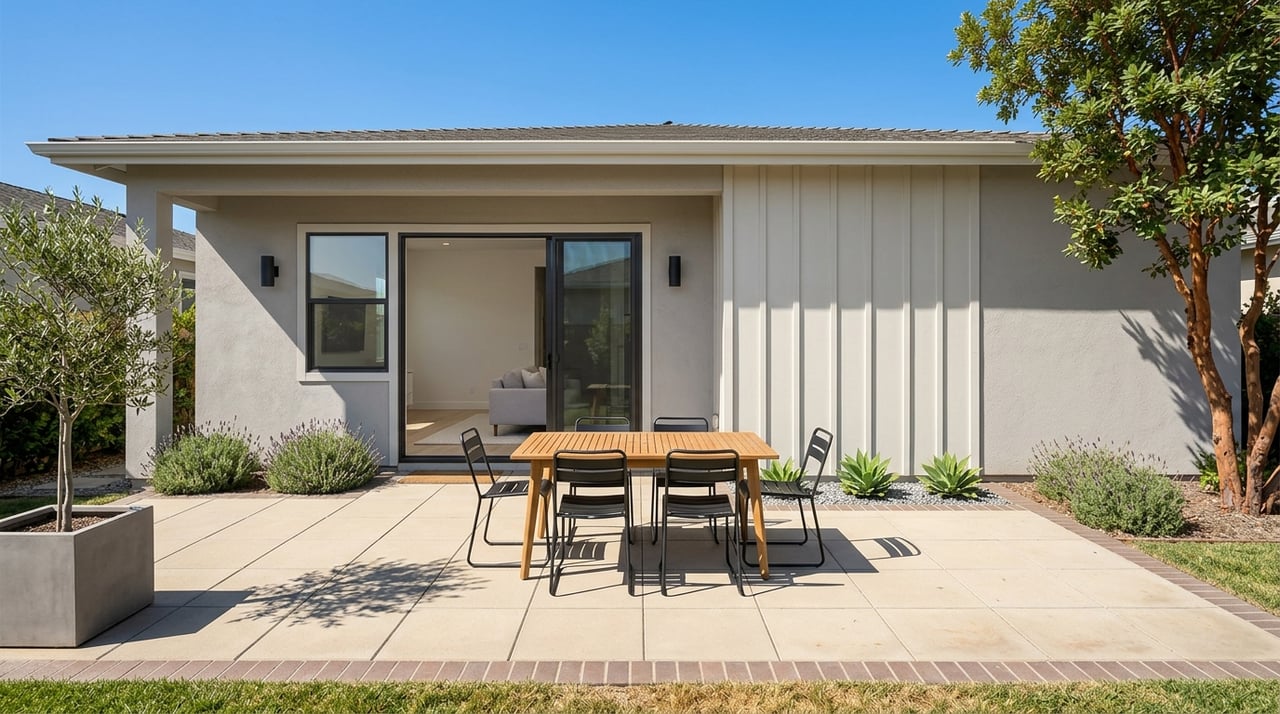
Bigger lots are most common in Los Altos, Los Gatos, and Saratoga, plus select San José foothill areas. Central and rail‑oriented neighborhoods tend to have smaller private yards but stronger walkability to dining and services. If a sunny patio or play lawn is a must-have, focus on western foothill suburbs and cross-check backyard sizes in recent listings.
Commute patterns and transit
Driving: still the default
Most people still drive alone for work. Traffic bottlenecks form on US‑101, I‑280, I‑880, CA‑85, SR‑237, and CA‑17. Even short cross‑town trips can stretch to 30–60 minutes at peak, while off‑peak can be half that. Use your work hours to test real drive times before you lock in a neighborhood.
Rail: Caltrain and Diridon hub
Caltrain’s corridor between San Francisco and San José now runs electric trains with higher frequency after its 2024 modernization. If you want a reliable SF or Peninsula commute without driving, this is a strong option. Read about the upgrades in the Caltrain Modernization Program.
San José’s Diridon Station is the region’s main rail hub and anchors growing transit‑oriented neighborhoods. If you plan to mix Caltrain, Amtrak, ACE, or VTA light rail, living near Diridon can simplify your routine.
BART: long‑horizon expansion
BART already reaches Berryessa. The next phase to downtown San José and Santa Clara is a multi‑year project that VTA currently projects into the 2030s. Treat it as a future benefit, not a current commute solution. See the latest program update from VTA.
Biking, walking, and shuttles
Inside compact downtowns like Mountain View and Palo Alto, walking and biking are very practical. Employer shuttles serve many major campuses, and regional trails like the Bay Trail and Stevens Creek Trail connect neighborhoods to offices and parks. For local bike and downtown resources, browse the City of Mountain View.
Lifestyle: parks, dining, and travel
Parks and open space
If weekend hiking or biking matters, you are in the right place. Almaden Quicksilver County Park offers miles of trails and sweeping views with a fascinating mining history. Learn more from Santa Clara County Parks. On the Peninsula side, Shoreline Park and Shoreline Lake in Mountain View bring waterfront trails and paddling, plus easy access to the Bay Trail.
Dining and culture
For lively, walkable evenings, Castro Street in Mountain View and University Avenue in Palo Alto are reliable go‑tos. In San José, Santana Row blends curated dining and shopping with a polished, mixed‑use vibe. Expect frequent events, seasonal pop‑ups, and a steady rotation of regional favorites.
Airports and regional trips
Norman Y. Mineta San José International Airport (SJC) is the closest option for most Santa Clara County neighborhoods. Off‑peak, you can reach central San José in about 10–20 minutes. SFO and OAK are also practical, especially for international routes and fare hunting. For airport details and routes, see SJC’s information page.
Renovation and permitting basics
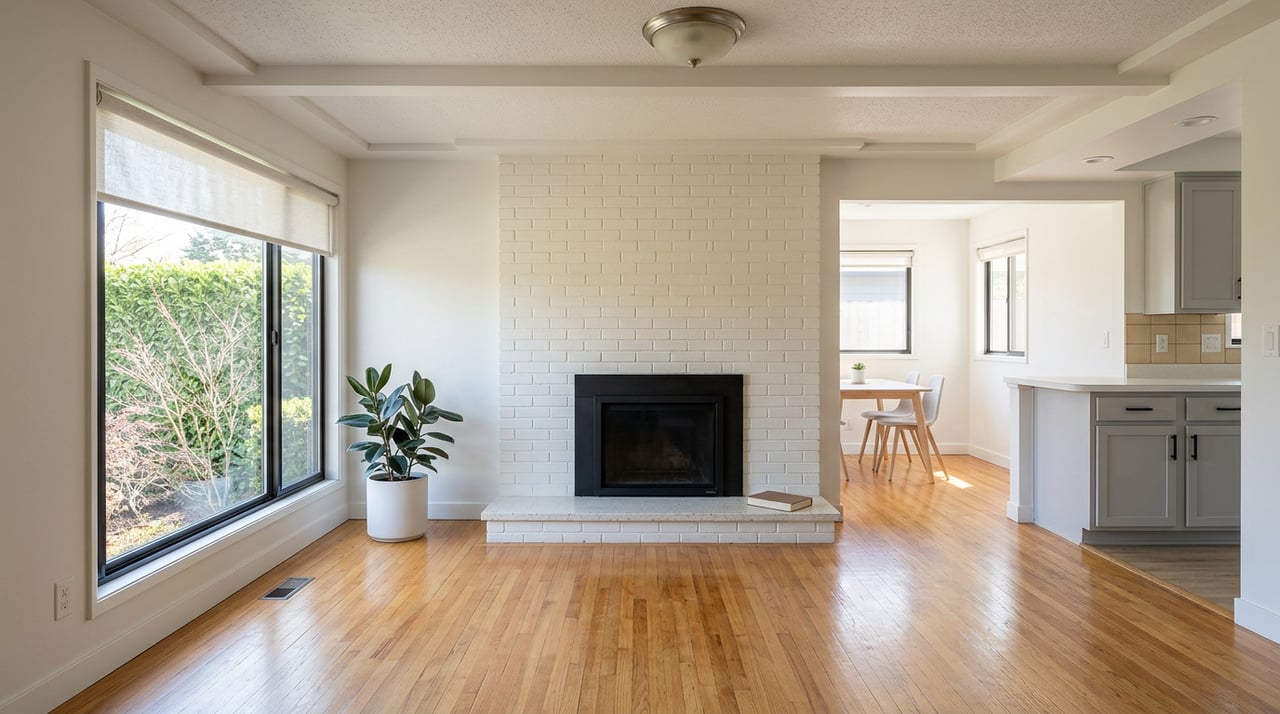
Older homes often need a punch list that includes kitchen and bath updates, electrical panel and circuit upgrades, HVAC, roofing, windows, and sometimes foundation or seismic work. Costs vary widely by scope. Get two or three bids and align your plan with likely resale timelines if you are value‑minded.
Permits are city specific. Electrical, plumbing, structural, and most interior reconfigurations require permits and inspections. Historic or conservation districts may add design review. Always check your city’s building division early to confirm timelines and fees.
Important for multifamily buyers in San José: The city has a mandatory soft‑story retrofit program for certain wood‑frame multifamily buildings. This can affect timing and ownership costs. Read current rules and deadlines on the City of San José’s soft‑story page.
How to build your shortlist
Step 1: Set your commute priority
Decide what matters most: a short drive to a specific campus, reliable rail access, or a bikeable route. If you need frequent trips to San Francisco or Peninsula cities, prioritize neighborhoods near Caltrain stations. Learn more about service levels in the Caltrain Modernization Program.
Step 2: Choose a home type
If a yard and outdoor living top your list, focus on Los Gatos, Saratoga, Los Altos, and select San José foothill areas. If you want low‑maintenance living with modern finishes and HOA support, look to newer condos and townhomes in North San José, Milpitas, and downtown San José. Commuting to Google’s Mountain View campus? Consider Mountain View, North Bayshore, and Sunnyvale for shorter rides and employer shuttle access. See campus context at the Googleplex.
Step 3: Apply market filters
Use county medians as a starting point, then narrow by city and neighborhood based on your budget. Zillow’s ZHVI offers a modeled typical value while Redfin reports recent median sales. Next, filter by commute time during your actual work hours and confirm access to the parks and dining corridors you care about most.
Sample quick shortlists
- If you work in downtown Mountain View: Downtown Mountain View near Castro Street for walkability and Caltrain access, or North Bayshore condos for bike and shuttle access to campus.
- If you work near Apple: Cupertino, western Sunnyvale, and select San José neighborhoods that keep the drive short without sacrificing amenities.
- If you want more space: Morgan Hill and Gilroy for larger lots and newer construction, with the understanding that peak‑hour drives are longer.
Your next step
If you are relocating, you deserve a plan that fits your routines and your investment goals. From neighborhood orientation and on‑the‑ground tours to renovation scoping, permits, and polished staging, you get a single point of contact and a proven process. When you are ready, connect with Anuja Krishnan to start your shortlist and map a clear path to your next home. Request a Free Home Valuation & Consultation.
FAQs
What are typical Santa Clara County home prices?
- As of December 2025, Zillow’s Home Value Index is about $1.58 million, while Redfin’s January 2026 median sale price is in the mid 1.4 million range, reflecting different methodologies.
How much are average rents in late 2025?
- Countywide rents average in the low $3,000s per month, with city and bedroom-level variation; check current ranges using RentCafe’s county overview.
How long is the average commute in Santa Clara County?
- The U.S. Census reports a mean travel time of about 27 minutes for 2019–2023, though peak-hour drives on major corridors can be longer depending on origin and destination.
Is Caltrain a good option for SF or Peninsula commutes?
- Yes. Following 2024 electrification, Caltrain offers higher-frequency service along the San Francisco–San José corridor, which can reduce drive dependence for many commuters.
What should I know about permits and seismic rules in San José?
- Significant work typically requires permits, and San José has a soft‑story retrofit program for certain multifamily buildings; review current details on the city’s soft‑story page before you buy or renovate.