What if you could tell in five minutes whether a San Mateo home is a smart renovation play or a costly money pit? If you are touring homes from Burlingame to Redwood City, you want quick, reliable cues that help you judge scope, cost, and risk before you fall in love. In this guide, you will learn how to read a home’s era, spot value-add opportunities, flag high-cost items, and focus your due diligence. Let’s dive in.
Start with era clues in San Mateo
Understanding when a home was built gives you the fastest read on likely systems, materials, and layout constraints.
Pre-1940: Early-century styles
You might see plaster-and-lath walls, original sash windows, and built-ins. Expect possible lead paint, plaster repairs, older wiring such as knob-and-tube in the oldest homes, and chimney work. Opening walls to modernize layouts can require structural engineering and permitted plans. For environmental safety, review federal lead and asbestos guidance from the EPA before planning demolition.
1940s to 1960s: Post-war ranches
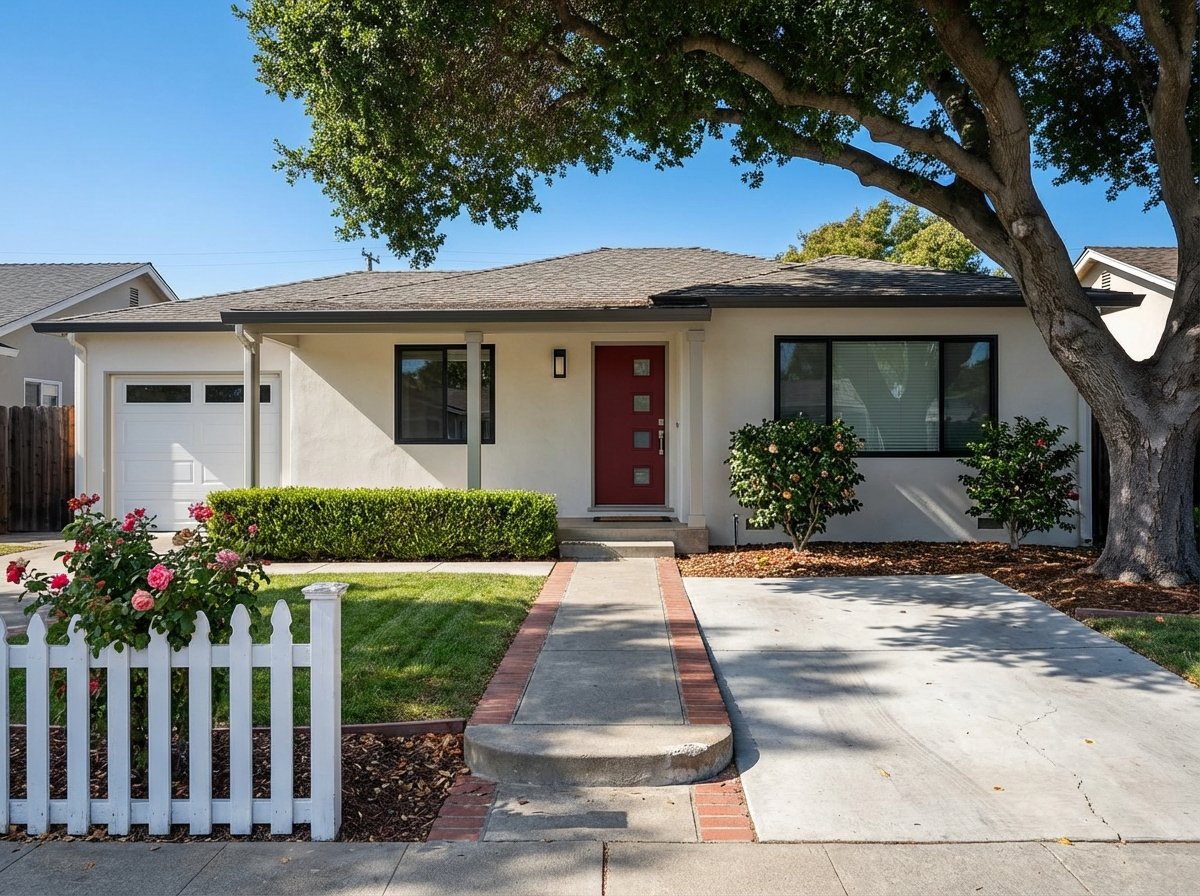
These homes often have single-story layouts with compact kitchens and smaller baths. Cosmetic updates are usually straightforward, but you may need electrical service upgrades, roof work, or plumbing modernization. Mid-century subtypes, including Eichler or post-and-beam designs, reward careful updates that respect original lines.
1970s to 1990s and newer
Later homes tend to have more open layouts and updated mechanicals. You may still face aging systems like HVAC or water heaters, and any new remodels must meet current energy and building codes. Check local building-permit triggers before planning scope changes.
Quick era shortcut
Use visible finishes and the tract or subdivision name to estimate era. County records can help you identify tract details and available plans through the San Mateo County Assessor portal. If you are unsure, ask for the seller’s documentation and permit history.
Permits, ADUs, and hazards to check early
Local rules affect your budget and timeline. In San Mateo County, the County issues permits for unincorporated areas, while each incorporated city runs its own Building or Planning Division. Any work that enlarges a structure or alters structural, plumbing, electrical, or mechanical systems typically needs permits and plan review. Start with the County’s Planning and Building pages to understand when permits are required.
Accessory Dwelling Units are a common value-add on Peninsula lots, but feasibility and utility impacts vary by jurisdiction. Review the San Mateo County ADU Resource Center for step-by-step guidance before you budget or write an offer.
Natural hazards can reshape scope and cost. Check the FEMA Flood Map Service Center for flood-zone status, then review ABAG’s hazard viewer for earthquake, liquefaction, and landslide context. These factors affect insurance, potential foundation work, and long-term plans.
Several Peninsula cities require a sewer-lateral inspection or certificate at point of sale. As one example, South San Francisco outlines requirements on its Public Works site. Confirm your target city’s rules early.
If the home predates 1978 or shows suspect finishes like popcorn ceilings or old floor tiles, plan for lead and asbestos testing and proper work practices. The EPA’s lead disclosure and RRP rules explain the basics and contractor requirements.
12 quick visual clues at a showing
Use this on a live or virtual tour. For each clue, note the follow-up you will need during inspections.
- Major layout patterns
- Look: Long, narrow kitchens; baths clustered; large chimneys or central plumbing stacks; visible beams or posts.
- Why: Keeping plumbing within existing stacks lowers costs. Removing bearing walls needs engineering and permits.
- Follow up: Ask for original plans and permits, and consider a structural consult if you plan to open walls.
- Electrical panel and outlets
- Look: Fuse boxes, two-prong outlets, very small or outdated panels.
- Why: Undersized or obsolete electrical often needs upgrading before heavy remodeling or to secure insurance.
- Follow up: Request recent electrical permits and schedule an electrician’s evaluation.
- Heating, cooling, and water heater
- Look: Age labels, corrosion, missing seismic straps in the garage.
- Why: Replacement is common and affects schedule and cash flow.
- Follow up: Get a contractor estimate and confirm permit needs for replacements.
- Roof and attic condition
- Look: Sagging lines, patchwork shingles, ceiling stains, or poorly insulated attics.
- Why: Roof or framing repairs can be expensive, and attic wiring issues can widen electrical scope.
- Follow up: Order a roof inspection and attic walkthrough by your inspector or electrician.
- Foundation and floors
- Look: Sloped floors, doors or windows that stick, visible foundation cracks.
- Why: These can signal settlement, drainage, or structural issues.
- Follow up: Hire a foundation specialist and review seller disclosures.
- Windows and doors
- Look: Single-pane sash, rotten frames, stuck windows.
- Why: Window work ranges from moderate to high cost, with historic styles often pricier.
- Follow up: Get quotes and check local energy-code requirements.
- Visible plumbing and finishes
- Look: Galvanized supply lines, problematic flex piping, corrosion under sinks, drain odors.
- Why: Old or brittle materials point to repiping or drain issues.
- Follow up: Schedule a plumber and consider a sewer scope if symptoms exist.
- Exterior grading and drainage
- Look: Soil sloping toward the house, missing gutters, ponding near the foundation.
- Why: Poor drainage leads to water intrusion and crawlspace or foundation repairs.
- Follow up: Ask for a site drainage assessment.
- Signs of unpermitted work
- Look: Mismatched finishes, odd stair geometry, decks without final inspection stickers.
- Why: Unpermitted work can derail financing, insurance, and resale.
- Follow up: Verify permit history with the local building department.
- Outdoor structures and conversions
- Look: Finished garages or outbuildings that look newly converted.
- Why: ADUs can add value, but unpermitted conversions create risk.
- Follow up: Review ADU rules and confirm permit records before valuing the space.
- Neighborhood and lot context
- Look: Proximity to the Bay, levees, low-lying streets, or steep hillsides.
- Why: Flood and seismic hazards drive engineering and insurance decisions.
- Follow up: Confirm flood and hazard mapping for the parcel.
- Potential hazardous materials
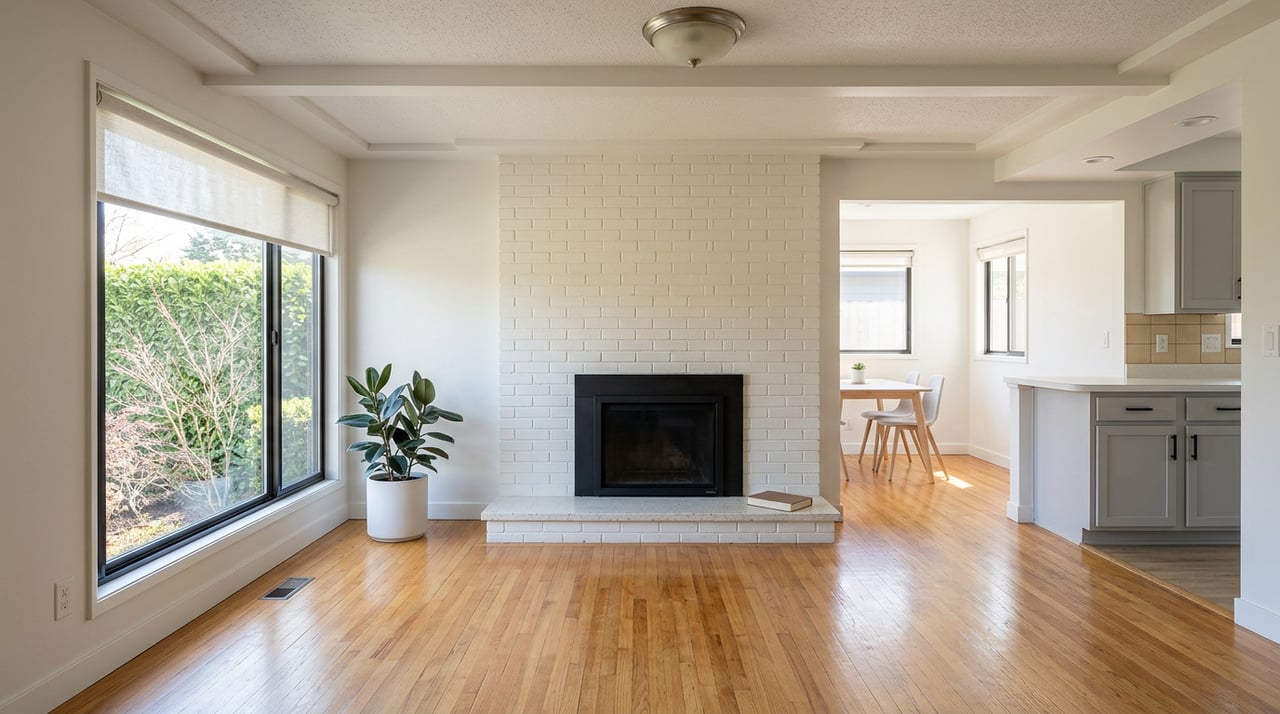
- Look: Popcorn ceilings, old floor tiles, thick multi-layer paint in older homes.
- Why: Lead and asbestos require certified handling and can expand timelines.
- Follow up: Plan for testing and RRP-compliant contractors if you will disturb these materials.
InterNACHI standards recommend a full home inspection and targeted specialist evaluations where any of these clues appear. Use your inspection window to confirm scope, not to guess.
Easy wins vs expensive projects
Not all updates carry the same price tag or risk. Use these buckets to prioritize.
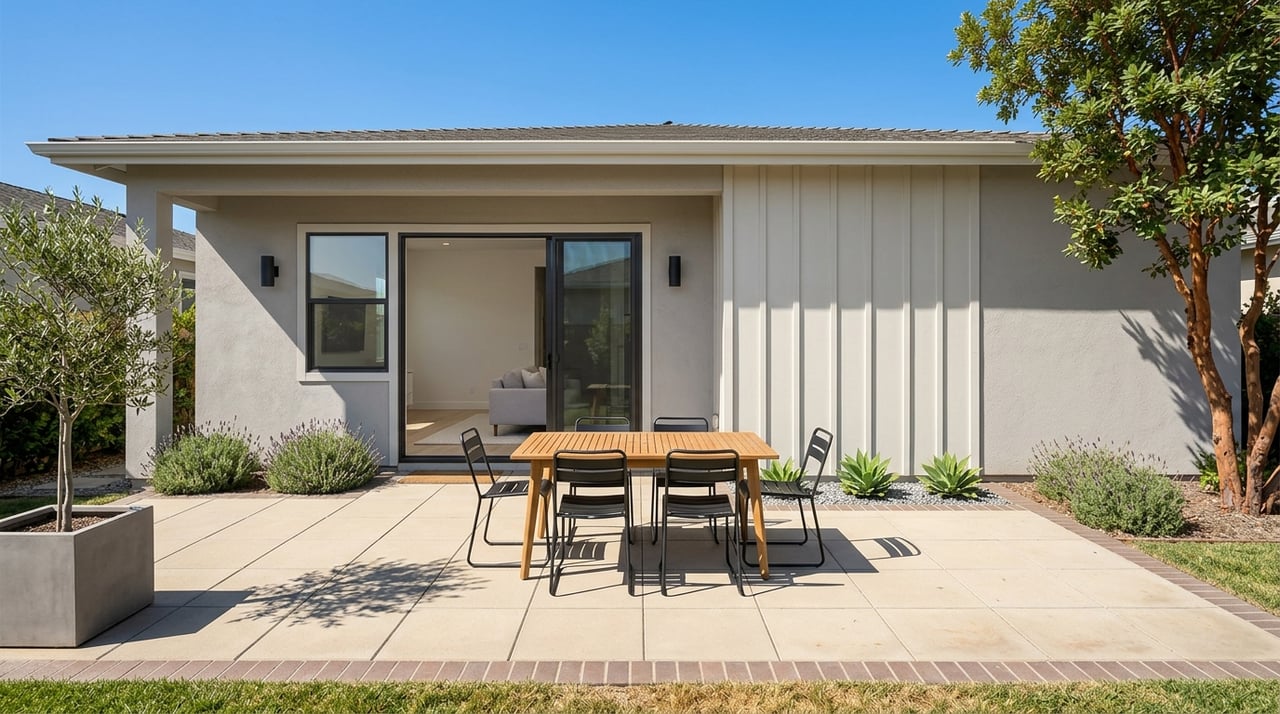
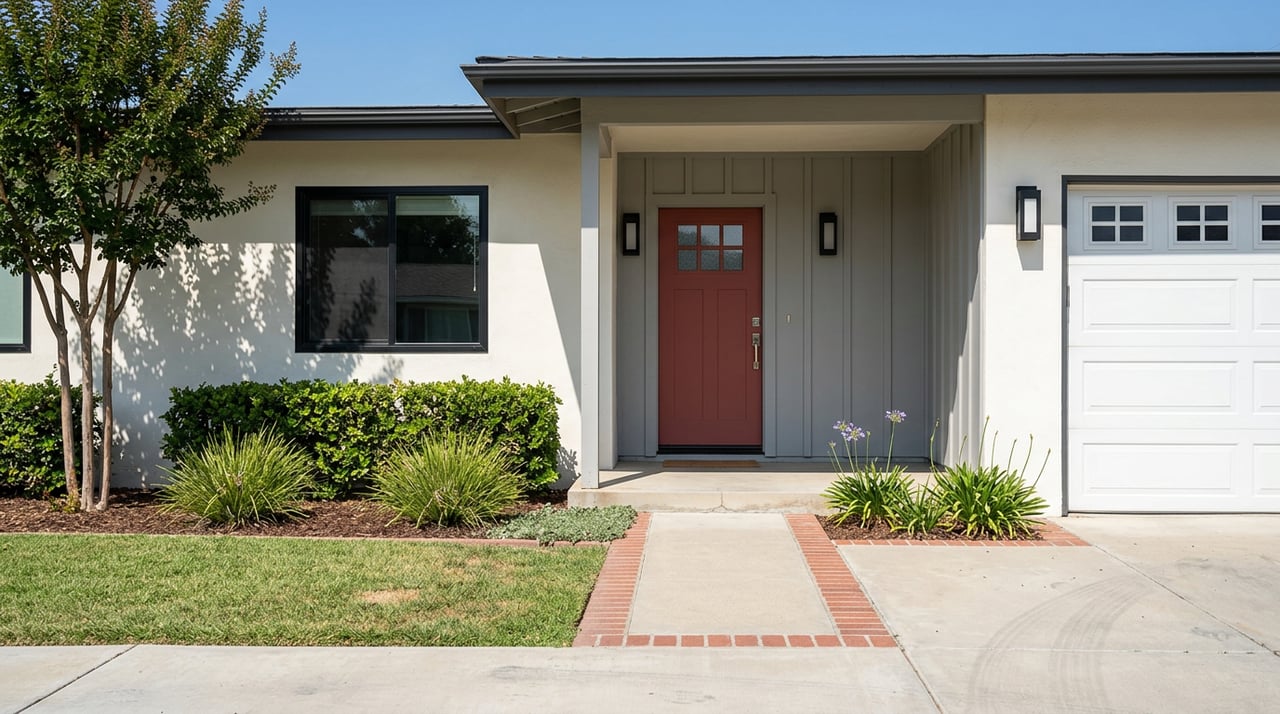
Easier value-adds: Interior and exterior paint, lighting and fixtures, cabinet refacing or replacement with stock options, hardware, minor flooring updates, simple landscaping, and new front or garage doors. These usually avoid structural permits and deliver strong visual impact in Bay Area markets.
Medium scope: Window replacements, HVAC upgrades, roof replacement, kitchen or bath refresh that stays within current plumbing footprint, and energy upgrades. Expect licensed trades and permit review.
High-cost or high-risk: Moving the primary plumbing stack, adding a bath or relocating a kitchen, altering bearing walls or adding stories, whole-house rewire or dangerous panel replacement, foundation or hillside stabilization, sewer-lateral replacement, and confirmed environmental abatement. Local experience suggests full kitchen or bath reworks, whole-house rewires, and foundation or sewer replacements are the most common big-ticket surprises in Peninsula deals. Review Bay Area remodel cost context from a local contractor source to frame expectations.
Due diligence game plan for buyers
Follow this order to protect your budget and leverage your contingencies.
- Do a fast permit and hazard scan. Search the county or city permit portals for the property’s address. The County’s Planning and Building pages outline permit basics for unincorporated addresses.
- Schedule a general home inspection, then add specialists based on what you saw, such as electrical, roof, foundation, pest, sewer, and HVAC. InterNACHI guidance supports using specialists when visible clues exist.
- Order a sewer-lateral camera scope if the home is older, there are large trees near the line, or your city has a point-of-sale requirement. South San Francisco’s program is a common example.
- Test for lead and asbestos if the home predates 1978 or shows suspect finishes. Follow EPA disclosure and RRP rules when planning any disturbance.
- Get at least one written contractor estimate for any medium or high-scope work before you remove contingencies. Use current local quotes to anchor budgets.
- If you are considering an ADU, consult the San Mateo County ADU Resource Center early to confirm setbacks, parking, utilities, and timelines.
Red flags worth walking from
Some findings justify renegotiation or moving on to the next home.
- Unpermitted structural or major utility work with no permits or final inspections.
- Active knob-and-tube or extensive undocumented splices visible in attics or crawlspaces.
- Sewage odors, repeat backups, or a failed sewer scope in a city with point-of-sale lateral rules.
- Location within mapped liquefaction or a FEMA high-hazard flood zone without mitigation.
- Evidence of active termite or wood-destroying-insect damage that looks recent or unrepaired.
If you want a second set of eyes on a property’s renovation potential, reach out. With a project-first lens and vetted local contractors, you can focus on the updates that add value and avoid surprise scope.
Ready to find the right home and read its renovation potential with confidence? Connect with Anuja Krishnan for a consult that blends local market expertise with hands-on remodel planning.
FAQs
What permits do I need for a San Mateo remodel?
- Most structural, electrical, plumbing, or mechanical work requires permits. Check whether the home is in an incorporated city or unincorporated County, then verify permit triggers with the local Building or Planning Division.
How can I tell if past work was permitted?
- Ask the listing agent and seller for permit records and final inspection cards, then search the local permit portal by address. If documents are missing for major work, treat the property as higher risk.
How do I evaluate ADU potential before I write an offer?
- Confirm lot setbacks, parking, and utility capacity for the specific jurisdiction. Review local ADU guidance and factor in fees, timelines, and whether the existing garage or yard layout supports an ADU.
Which showing clues point to high renovation costs?
- Signs include bearing walls that must be removed to open the plan, extensive electrical or plumbing age, foundation movement, failed roof conditions, sewer issues, and likely lead or asbestos that will be disturbed.
Do I always need a sewer-lateral inspection when buying?
- Not always, but it is smart on older homes or where trees are near the line, and it may be required at point of sale in some cities. A camera scope helps you budget realistically for repair or replacement.